
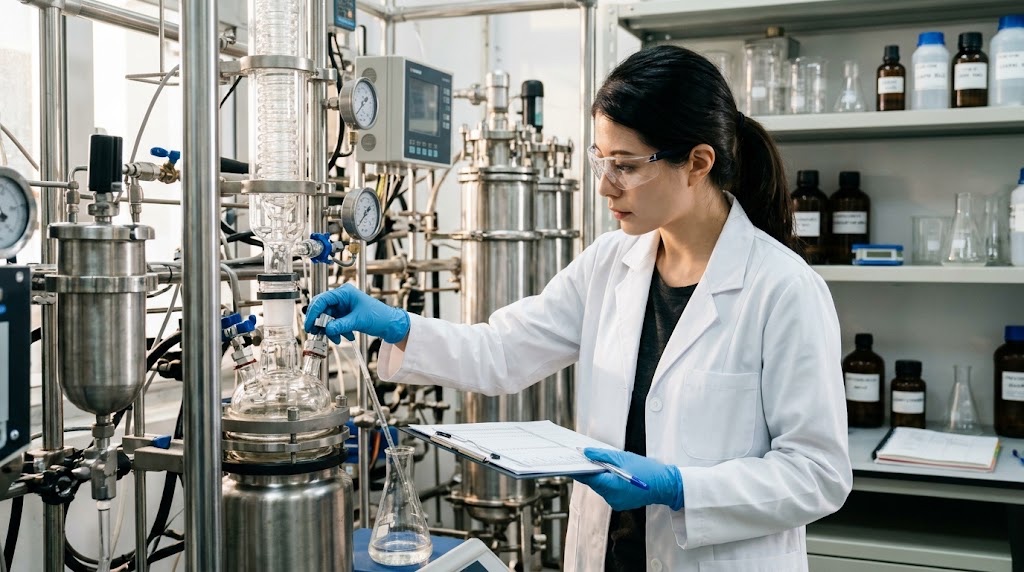
Process Optimisation & Energy Integration
Systematic energy, utility and process integration to reduce OPEX/CAPEX and solve operational issues across complex chemical technology platforms.
Overview
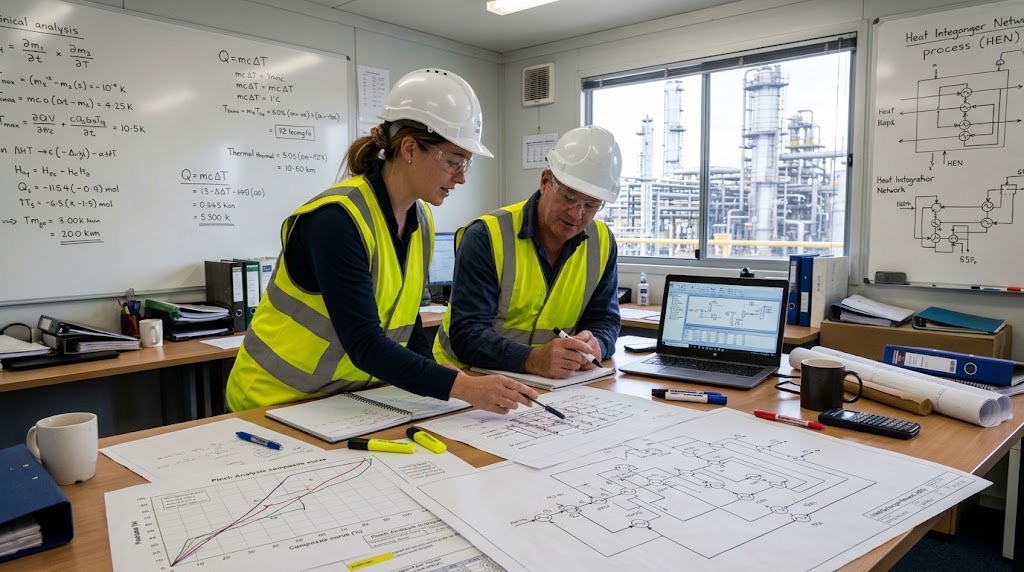
Process Optimisation & Energy Integration in chemical engineering is a strategic approach to maximising the efficiency of chemical plants, aiming to minimise utility costs and environmental footprints while maximising product yield. Engineers use process simulation software to model plant behaviour and use mathematical frameworks like Pinch Analysis to analyse the thermal efficiency of the entire operation. This allows them to design intricate Heat Exchanger Networks (HENs) that recover excess heat from hot process streams and transfer it to cold ones, significantly reducing the demand for external heating (such as steam) and cooling (such as water). By integrating energy and optimising variables like temperature, pressure, and flow rates across the system, chemical engineers transform highly resource-intensive processes into tightly integrated, cost-effective, and sustainable operations.
What this covers
- Building or auditing the heat and material balance
- Running pinch analysis to identify the thermodynamic minimum energy demand for the site, and the gap between current operation and that minimum
- Energy & utility integration
- Process integration
- OPEX / CAPEX reduction, with options ranked by capital cost, payback and operational risk
- Supporting implementation and verifying the saving after the change
- Solving operational issues on complex chemical technology platforms
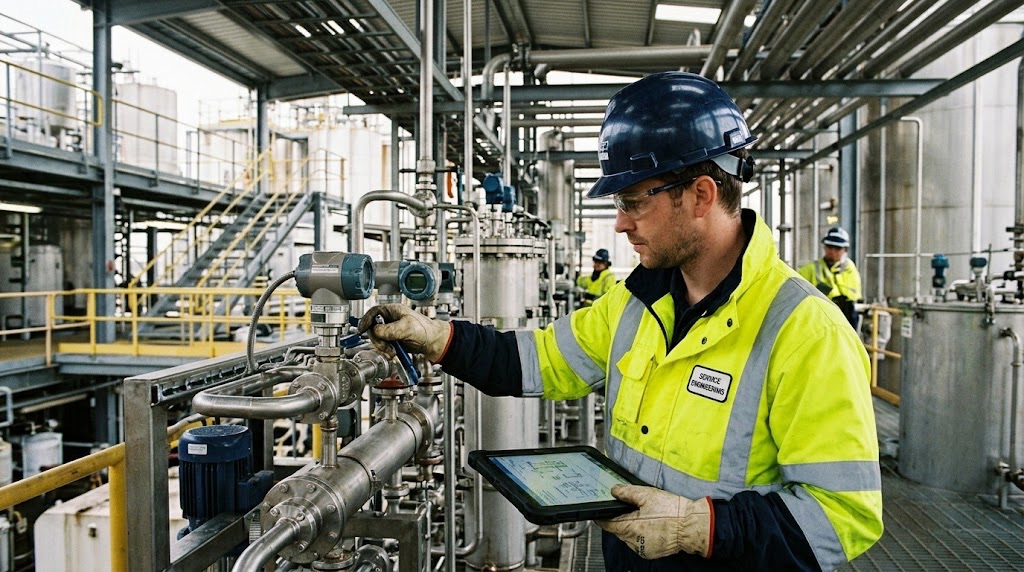
Discuss Your Process Challenge
To discuss a plant problem, scope an optimisation or safety study, review technical documentation, or engage for technical advisory services, contact us directly via email or book an initial consultation.